
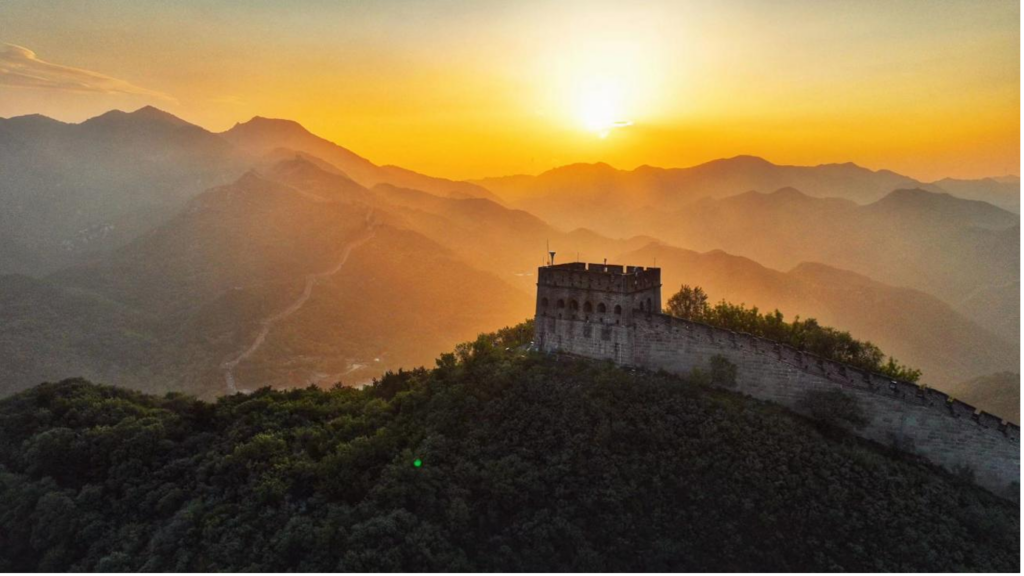
As I was listening to ‘Californication’ by the Red-Hot Chilli Peppers, the lyrics “The sun may rise in the East, at least it settled in a final location” imprinted themselves into my brain. I was on the bus leaving Eungai Creek and heading towards Stuarts Point for Kayaking and during that moment I realised that this sentiment could easily be manipulated to serve as an allegory for the state of the present world.
The idea of western hegemony stems from what historians call the “Great Divergence” or “European Miracle,” the point at which Western Europe its major colonies, like America, surpassed the rest of the world – notably China, India, and the Ottoman Empire – in economic and technological development, military power, and GDP per capita. This period began in the 16th century but accelerated rapidly during the 18th and 19th centuries during the “Scramble for Africa” and the acquisition of numerous new colonies. At the beginning of World War 1, European powers controlled approximately 84% of the Earth’s total land surface area with the British Empire owning approximately one-quarter of the world’s surface area and population. The apogee of European colonialism signalled great exploitation and mistreatment of local populations which, whilst benefitting the imperialist powers, left these former colonies in a desperate state.
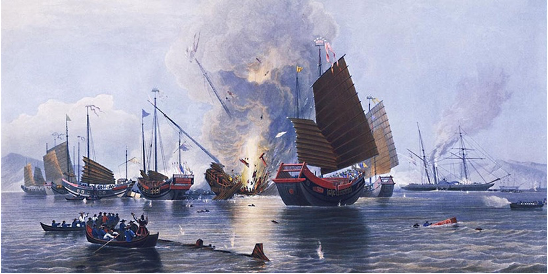
Direct land ownership was not the only form of imperialism, during the 19th century the British, and later other major powers, used military force to impose numerous unequal treaties upon Qing China. These treaties were driven by the desire to reverse the trade imbalance, which was caused by buying Chinese tea, by forcing the trade of opium upon China. This caused mass addiction and economic devastation to a developing East and made sure they remained far behind European colonial powers.
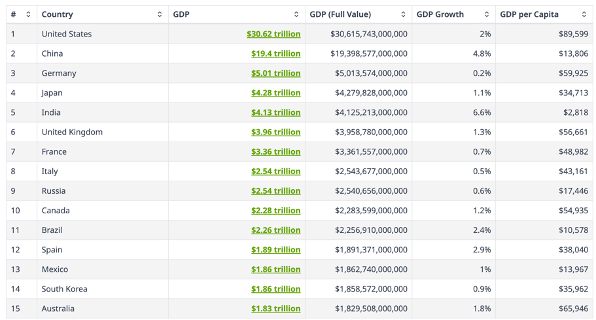
However, since decolonisation during the mid-20th century, these territories have regained their prestige and have introduced policies to revive their economic and military might. China has risen to become the second richest nation in the world, in terms of GDP, whilst India is 5th in the world and is growing it’s GDP at over three times the rate which the US GDP is growing. As we observe this seemingly unstoppable rise of Eastern powers the question begs, is this the end for western hegemony and America as the world-wide peacekeeper?
Whilst the United States has no doubt experienced a decline in its post-Soviet global dominion, it will still remain to be a prominent player on the world stage for most of our lifetimes. The almighty USA has, after all, given man a place on the moon, shown him how to defeat the worst evils to ever pervade our Earth, and has paved the way into the new technological world. Could a power like that ever fall? Yes.
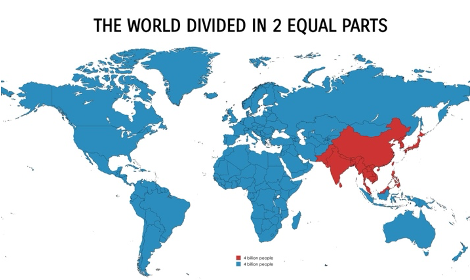
Rome was not built in a day, and nor did it fall in one. This power which controlled the entire Mediterranean and swathes of land from Scotland to Persia, slowly became outdated in the face of new aggressors. Could this tale also lend itself to the United States? Two resilient, great empires turned obsolete. The straw that broke Rome’s back was the mass migration of Huns from the Eurasian Steppes which caused Germanic tribes to flood into the Empire. I have no doubt that this feat could be repeated through the economic rise of powers stunted by colonialism, who already boast populations far greater than the rest of the world combined; but will they?

As we observe the erosion of democracy in the USA anything is possible; the mercurial leader, as seen by the recent strikes in Iran, will stop at nothing for his idea peace and one can only have a dubious guess at what will happen next. The ICE crackdowns in Minneapolis and even the rise of Nigel Farage in the UK, with his ballooning popularity, signal the polarisation of western politics and a social disunity among a populus that necessitates immediate social and political change to avoid a repetition of the deadly and divisive civil rights movements and world wars fought because of a disjunction in political standpoints.
So, is the Sun rising in the East and setting in the West? Yes. There is much more to be stated on this topic but briefly, yes, the West is in decline after half a millennium of global domination as the Eastern nations returns to the throne. The rise of the Chinese naval presence coupled with a decline in formerly great Royal Navy means the US is increasing needed to patrol the world’s oceans alone, which will leave a large tear in the South-Pacific region for China to fill. Home to bountiful mineral deposits and over half on the world’s population, it is not a question of when the West falls, but how far.